
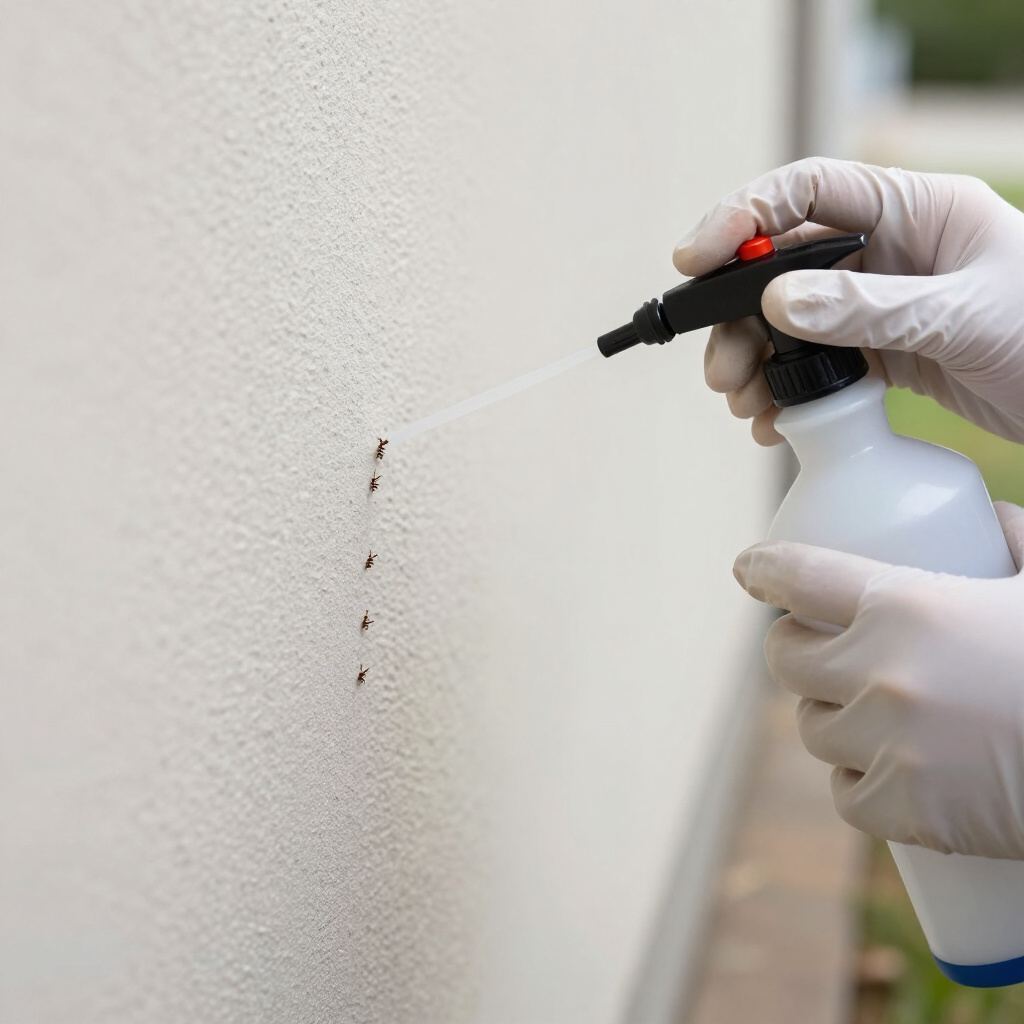
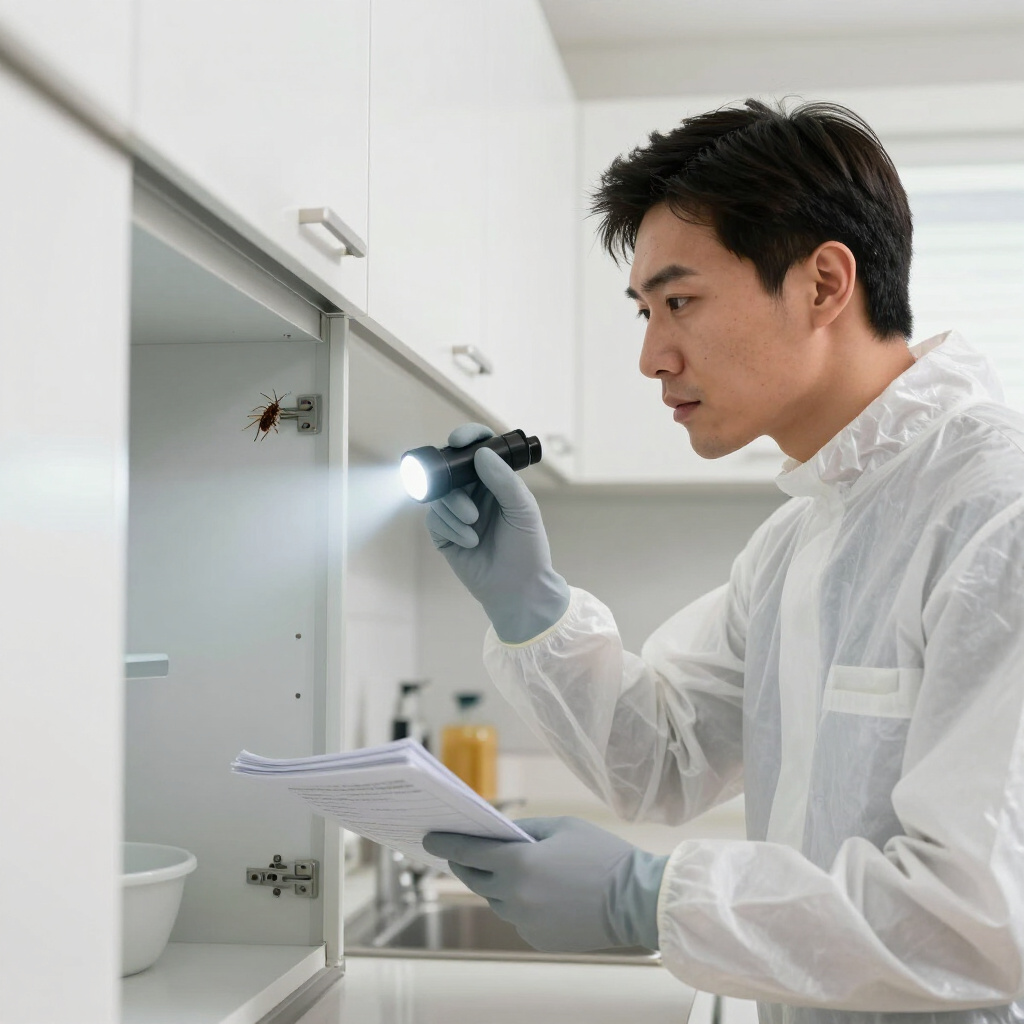
Whether you've spotted a trail of ants marching across your kitchen counter or heard mysterious scratching in the walls, dealing with pests is something every homeowner faces eventually. The big question becomes: should you tackle the problem yourself or call in the pros? Both DIY pest control and hiring a professional have their place, and understanding when each approach makes sense can save you time, money, and a whole lot of frustration.
DIY Pest Control vs Hiring a Professional: What to Consider
When pests invade, your first instinct might be to grab a can of spray from the hardware store. Sometimes, that's exactly the right move. Other times, it's the start of a much bigger headache. The key is knowing what you're really dealing with before you decide.
DIY methods work best for minor, surface-level problems. A few fruit flies around the compost bin? A spider in the corner? These are situations where store-bought traps, natural repellents, or simple sanitation fixes can handle the job quickly and cheaply. Many homeowners successfully manage seasonal ant invasions or the occasional wasp nest with over-the-counter products and some persistence.
However, DIY pest control vs hiring a professional becomes a very different calculation when you're facing recurring infestations, pests you can't identify, or signs of widespread activity. Droppings in multiple rooms, chewed wiring, or structural damage are red flags that suggest the problem runs deeper than surface treatments can reach.
Consider your own comfort level, too. Some people have no problem setting traps or applying perimeter sprays. Others feel anxious around chemicals or certain pests. Be honest about what you're willing and able to do safely and effectively.
Where Professional Pest Control Shines
Pest control professionals bring training, experience, and specialized tools that simply aren't available to the average homeowner. They know how to identify pest species correctly—a critical step, because treating carpenter ants requires a completely different approach than dealing with odorous house ants. Misidentification is one of the most common reasons DIY treatments fail.
Professionals also understand pest behavior and biology. They know where to look for nests, how pests enter structures, and what conditions attract them in the first place. This expertise allows them to address both the immediate problem and its underlying causes, rather than just killing the pests you can see.
Safety is another major factor. Licensed technicians are trained in the proper handling and application of pesticides, including restricted-use products that are more effective but require certification. They know how to protect your family, pets, and the environment while achieving results.
For serious infestations—termites, bed bugs, extensive rodent problems, or stinging insect nests in hard-to-reach areas—professional intervention is usually the smartest choice. These pests can cause significant property damage, spread disease, or pose physical danger if disturbed by someone without proper equipment and training.
Key Tips for Making the Right Choice
Start with thorough inspection. Before you decide on DIY pest control vs hiring a professional, try to assess the scope of your problem. One or two sightings might mean a stray invader. Regular sightings, especially in different areas of your home, suggest an established population.
If you go the DIY route, always read and follow label directions exactly. More product does not mean better results, and improper application can be dangerous or illegal. Focus on prevention first—sealing entry points, eliminating food sources, and reducing moisture. These steps amplify any treatment's effectiveness.
When evaluating professional services, look for licensed, insured companies with good local reputations. Ask about their treatment plans, guarantees, and whether they use integrated pest management approaches that minimize chemical reliance. Get multiple quotes for significant jobs, but remember that the cheapest option isn't always the best value.
Consider ongoing maintenance plans for chronic-prone properties or regions with heavy pest pressure. Many professionals offer quarterly or seasonal services that prevent problems before they start, often at a lower cost than emergency interventions.
Don't let pride or thriftiness keep you struggling with a losing battle. There's no shame in recognizing when a problem has exceeded your expertise. The longer certain infestations persist, the more expensive and difficult they become to resolve.
Final Thoughts
DIY pest control vs hiring a professional isn't really an either-or proposition—it's about matching the right response to the situation at hand. Minor, well-defined problems often respond well to diligent homeowner efforts. Complex, hidden, or hazardous infestations deserve professional expertise.
The smartest approach is an informed one. Start with prevention, act quickly at the first signs of trouble, and escalate to professional help when the problem persists, spreads, or involves high-risk pests. Your home is worth protecting properly, and knowing when to roll up your own sleeves versus when to make the call ensures you get effective results without unnecessary expense or stress.