

There's something uniquely unsettling about walking into a room and spotting a spider dangling from the ceiling or scurrying across the floor. Whether you suffer from genuine arachnophobia or simply prefer your living spaces eight-leg-free, keeping spiders out of your house is a goal most homeowners share. The good news? You don't need harsh chemicals or constant vigilance to maintain a spider-free home. With the right combination of prevention, maintenance, and smart habits, you can significantly reduce—and often eliminate—unwanted arachnid visitors.
How to Keep Spiders Out of Your House by Sealing Entry Points
Spiders are master contortionists, capable of squeezing through remarkably small gaps and cracks. The most effective long-term strategy starts with making your home physically inaccessible to them. Begin with a thorough inspection of your home's exterior, paying special attention to areas where utilities enter, foundation cracks, and gaps around windows and doors.
Weatherstripping and door sweeps deserve particular attention. A door that doesn't seal flush with its frame creates an open invitation for spiders and the insects they hunt. Replace worn weatherstripping annually, and install quality door sweeps on all exterior doors, including the one leading into your garage. For windows, check that screens fit tightly and are free of tears—repair or replace damaged screens promptly.
Caulk is your best friend for sealing stationary gaps. Use silicone caulk around window frames, where siding meets the foundation, and around pipe and wire penetrations. For larger gaps, consider expanding foam sealant, but use it judiciously as it can be difficult to remove later. Don't overlook your attic and basement—spiders frequently enter through roof vents, soffit gaps, and crawl space openings. Cover attic vents with fine mesh screens, ensuring the mesh is tight enough to exclude even small spider species.
The chimney represents another often-forgotten entry route. A chimney cap with mesh sides prevents spider entry while still allowing proper ventilation. Similarly, dryer vents, exhaust fans, and soffit vents should all feature appropriate screening that hasn't become clogged or damaged over time.
Remove the Spiders' Food Supply and Habitat
Spiders don't colonize your home out of malice—they're following food and shelter. Understanding this transforms your approach from reactive swatting to strategic prevention. Spiders feed primarily on insects, so a home with abundant flies, mosquitoes, moths, or other bugs is essentially a spider buffet.
Start by eliminating standing water where mosquitoes breed, keeping fruit covered or refrigerated to avoid attracting fruit flies, and maintaining tight seals on garbage containers. Outdoor lighting deserves special consideration: traditional white lights attract moths and other night-flying insects, which in turn draw hunting spiders. Switch to yellow "bug lights" or sodium vapor lamps for exterior fixtures, or better yet, use motion-activated lights that remain off until needed.
Indoor clutter provides ideal spider harborage. Cardboard boxes, piles of newspapers, rarely disturbed storage items, and cluttered closets create the dark, undisturbed environments spiders prefer. Transition to plastic storage containers with tight-fitting lids, declutter regularly, and shake out items that have been stored unused for extended periods.
Landscaping choices significantly impact spider pressure on your home. Wood piles, rock walls, dense shrubbery, and thick mulch beds adjacent to your foundation create perfect spider habitat. Maintain a vegetation-free zone of at least twelve inches around your home's perimeter. Trim tree branches and shrubs so they don't touch your roof or walls, eliminating natural bridges spiders use to access higher entry points. Store firewood on raised racks well away from your house, and inspect each piece before bringing it indoors.
Key Tips for Ongoing Spider Prevention
Consistent habits make the difference between occasional spider encounters and chronic infestations. Integrate these practices into your regular home maintenance routine for lasting results.
Vacuum thoroughly and frequently, using attachments to reach corners, ceiling edges, behind furniture, and under appliances. This removes not only spiders but also their egg sacs and the webbing that attracts new spiders seeking established territory. Empty your vacuum canister or bag outdoors immediately after cleaning in spider-prone areas.
Monitor humidity levels throughout your home. Spiders, like many of their prey insects, thrive in humid environments. Run dehumidifiers in basements, ensure bathrooms have functioning exhaust fans, and address any plumbing leaks promptly. Proper ventilation in crawl spaces and attics prevents the damp, stagnant conditions that support robust spider populations.
Natural deterrents offer supplementary protection for those preferring minimal chemical intervention. Essential oils—particularly peppermint, tea tree, eucalyptus, and lavender—are widely reported to repel spiders when diluted with water and sprayed around entry points and baseboards. While scientific evidence for these repellents remains limited, many homeowners find them helpful as part of a broader strategy. Diatomaceous earth, a natural powder made from fossilized algae, can be applied in thin layers along baseboards and in crawl spaces; it damages the exoskeletons of crawling insects and may affect spiders directly.
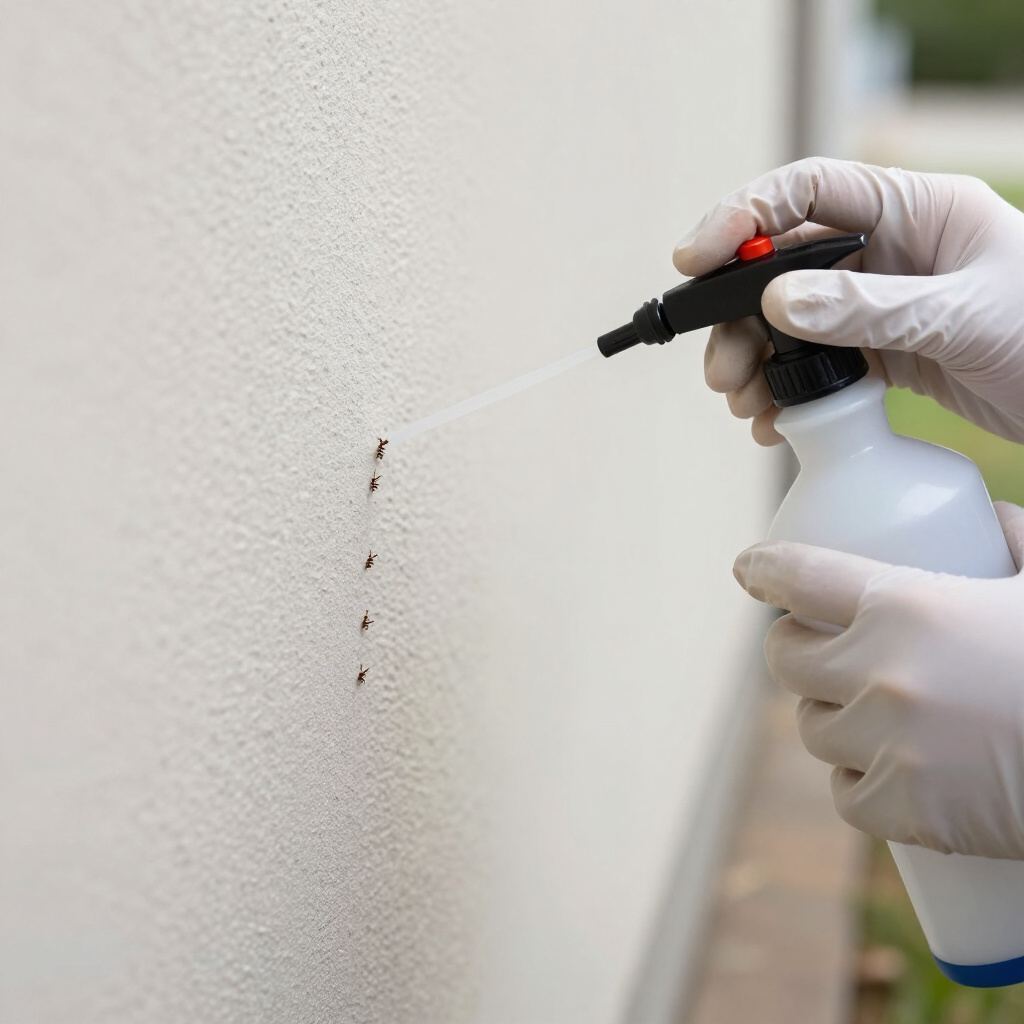
For persistent problems, targeted pesticide application may be warranted. Focus on exterior perimeter treatments rather than broad indoor spraying, which is generally unnecessary and potentially harmful. Professional pest control services can apply longer-lasting residual treatments to foundation perimeters, window frames, and other entry zones, typically with greater safety and effectiveness than DIY chemical applications.
Final Thoughts
Learning how to keep spiders out of your house effectively requires patience and a multi-faceted approach. No single tactic provides complete protection, but combining physical exclusion, environmental management, and consistent maintenance creates conditions where spiders simply cannot thrive. The investment of time in sealing your home and modifying habitats pays dividends in reduced encounters and greater peace of mind.
Remember that completely eliminating every spider from your property is neither realistic nor necessarily desirable—a few outdoor spiders contribute to natural pest control in gardens and landscapes. The goal is keeping them outside where they belong, allowing you to enjoy your indoor spaces without unwelcome surprises. Start with the most impactful measures, build consistent habits, and adjust your approach based on what proves effective for your specific home and environment.