
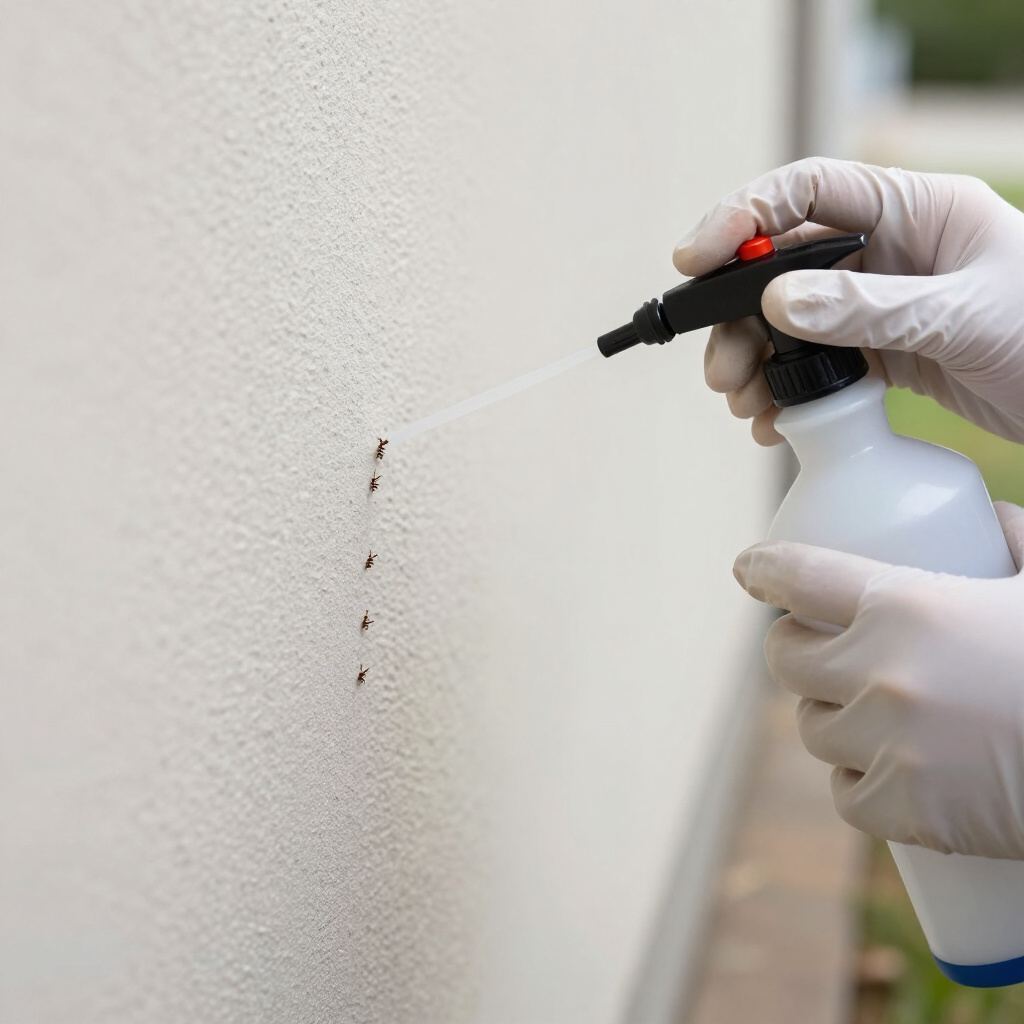

Few things are more frustrating than walking into your kitchen to find a steady stream of ants marching across your countertop. What starts as a single scout can quickly become a full-blown invasion, with colonies exploiting every crumb and crack they can find. The good news? Preventing ants from invading your home is entirely achievable with a combination of smart habits, strategic home maintenance, and understanding what draws them inside in the first place. You don't need harsh chemicals or expensive treatments—just consistency and the right approach.
How to Prevent Ants From Invading Your Home Starts With Eliminating Food Sources
Ants are relentless foragers, and their entire mission is to find food to bring back to the colony. Your first and most powerful line of defense is making your home as unappealing as possible.
Start in the kitchen, where most ant problems begin. Store all dry goods—sugar, flour, cereal, pet food, and snacks—in airtight containers with tight-sealing lids. Ants can detect even trace amounts of food, so flimsy packaging won't cut it. Clean your countertops daily with a vinegar-based solution, which removes both food residue and the scent trails ants use to communicate with each other. Don't forget the invisible crumbs: toaster trays, under the refrigerator, and the gaps between appliances and cabinets.
Pet owners need extra vigilance. Bowls of kibble or wet food left out overnight are an open invitation. Consider feeding pets on a schedule and removing uneaten food promptly. Even water bowls can attract thirsty ants, so place them on slightly elevated platforms or use moat-style bowls designed to block crawling insects.
Garbage management matters just as much as food storage. Use trash cans with lids, take bags out frequently, and rinse recyclables before tossing them. A sticky soda can in your recycling bin is essentially a beacon for nearby colonies.
Seal Entry Points Before Ants Find Them
A spotless home can still attract ants if they have easy access. These tiny insects can squeeze through gaps as small as 1/32 of an inch—roughly the thickness of a credit card. Your job is to make entry as difficult as possible.
Conduct a thorough perimeter inspection at least twice yearly. Walk around your home's exterior and examine windows, doors, foundation cracks, utility penetrations, and areas where siding meets brick or concrete. Caulk gaps around window frames and door thresholds. Replace worn weatherstripping, and install door sweeps if you can see light or feel drafts underneath exterior doors.
Pay special attention to utility lines. Where pipes, cables, or wires enter your home, gaps often exist that ants happily exploit. Seal these with appropriate materials—steel wool for larger openings combined with caulk, or specialized pest-blocking foam for bigger gaps.
Don't overlook your landscaping. Tree branches, shrubs, and climbing vines that touch your home create natural bridges for ants. Trim vegetation back at least 12 inches from walls and rooflines. Similarly, mulch and dense ground cover near foundations provide ideal nesting conditions. Consider creating a gravel or stone barrier immediately adjacent to your foundation to discourage colony establishment.
Key Tips for Long-Term Ant Prevention
Beyond the fundamentals, these targeted strategies will strengthen your defenses and address common mistakes homeowners make.
Manage moisture carefully. Ants need water as much as food. Fix leaky faucets, running toilets, and dripping pipes promptly. Ensure your gutters and downspouts direct water well away from your foundation. In damp basements or crawl spaces, improve ventilation or use a dehumidifier to reduce the humid conditions certain ant species prefer.
Be strategic with repellents. Natural deterrents can supplement your efforts. Diatomaceous earth sprinkled in dry, protected areas like behind appliances or in wall voids damages ants' exoskeletons. Peppermint oil, cinnamon, and vinegar solutions applied to known trail areas can disrupt scent communication. However, treat these as supplementary tools—not replacements for the structural and sanitation work that truly matters.
Avoid creating accidental ant highways. Stacks of firewood, construction materials, or stored items against your exterior walls provide shelter and hidden routes. Store firewood at least 20 feet from your home and elevate it off the ground. Keep storage areas tidy and inspect items before bringing them indoors.
Know when to call professionals. If you're seeing ants consistently despite your best prevention efforts, you may be dealing with a satellite colony or a species that requires targeted treatment. Carpenter ants, for instance, nest in wood and can cause structural damage. Odorous house ants are notoriously difficult to eliminate with DIY methods because their colonies contain multiple queens. Professional pest control can identify the species, locate hidden nests, and apply appropriate treatments that won't just scatter the problem.
Final Thoughts
Preventing ants from invading your home comes down to three persistent principles: remove what attracts them, block how they enter, and maintain vigilance season after season. No single action creates an ant-proof home, but the cumulative effect of these practices makes your property far less inviting than the alternatives around it. Ants are remarkably persistent, but so are informed homeowners. Start with the highest-impact changes—food storage and entry sealing—and build your routine from there. The peace of mind that comes from a kitchen free of marching columns is well worth the modest effort required.