

Finding an unwelcome critter in your home can turn a relaxing evening into a stressful ordeal. Whether it's the skitter of tiny feet across the kitchen floor or mysterious bites that appear overnight, household pests are more than just a nuisance—they can damage your property, contaminate your food, and even threaten your family's health. The good news? Most infestations are entirely preventable with the right knowledge and consistent habits. Let's explore the most common household pests and the practical steps you can take to keep them outside where they belong.
Most Common Household Pests and How to Prevent Them
Understanding which pests are likely to invade your home—and why—forms the foundation of effective prevention. Here are the culprits that pest control professionals encounter most frequently, along with targeted strategies for keeping each one at bay.
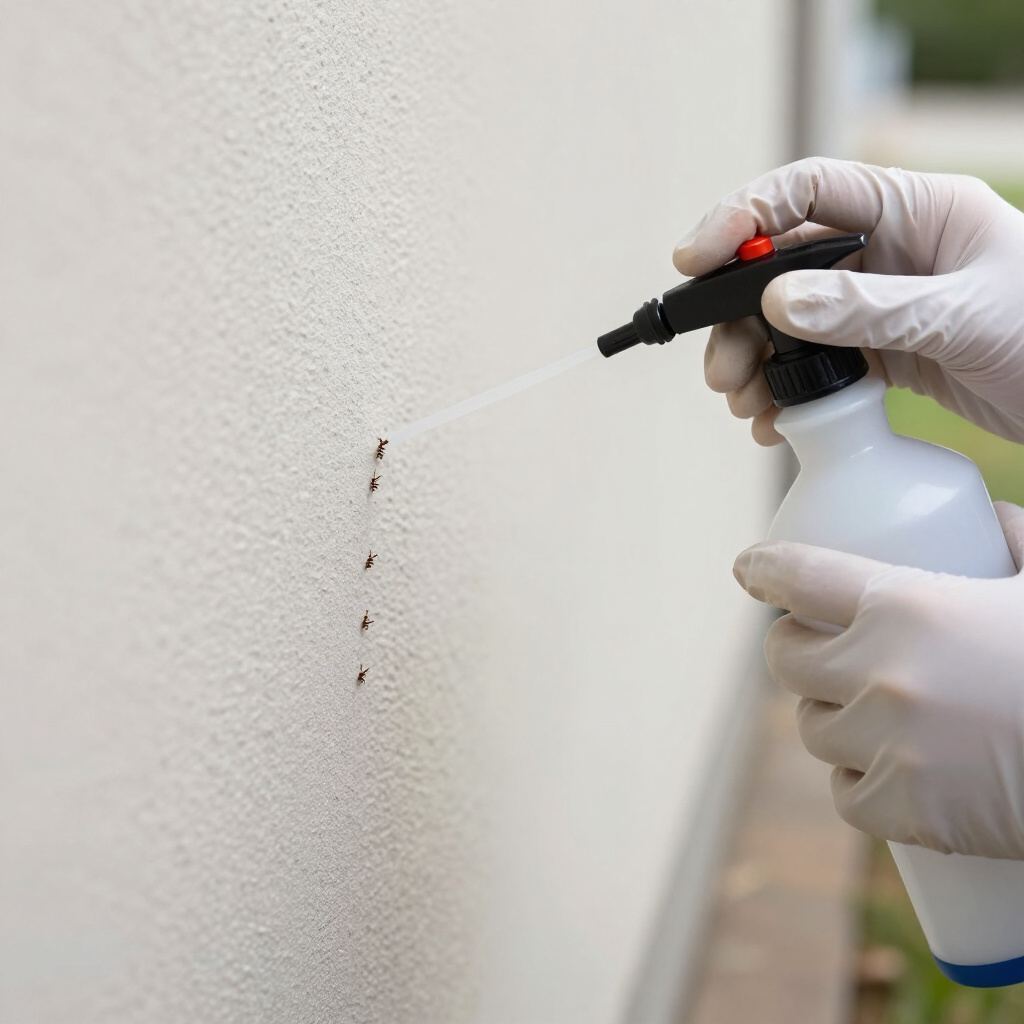
Ants rank among the most persistent invaders, with species like odorous house ants, carpenter ants, and pavement ants commonly breaching residential defenses. These social insects leave pheromone trails that recruit hundreds of followers to any food source they discover. Prevention starts with eliminating their motivation: store all food in sealed containers, wipe down counters immediately after meal preparation, and address sticky spills promptly. Seal foundation cracks, replace worn weatherstripping, and trim vegetation away from your home's exterior to remove the bridges ants use to enter.
Cockroaches thrive in warm, humid environments with ready access to food and water. German cockroaches and American cockroaches are particularly problematic, spreading bacteria and triggering allergic reactions. These nocturnal pests can squeeze through gaps as thin as a dime. Focus prevention efforts on moisture control—repair leaky faucets, improve ventilation in bathrooms, and use dehumidifiers in damp basements. Eliminate cardboard clutter (a favorite harborage), keep garbage in lidded containers, and perform thorough deep-cleaning behind appliances monthly.
Rodents including house mice and Norway rats cause significant damage through gnawing on wires, insulation, and structural materials while contaminating surfaces with urine and droppings. These adaptable breeders exploit the tiniest openings—a mouse needs just one-quarter inch of space. Inspect your home's exterior seasonally, sealing gaps around utility penetrations with steel wool and caulk. Store pet food and birdseed in metal containers, maintain clear space between stored items and walls, and keep firewood elevated and at least twenty feet from your foundation.
Termites and carpenter ants represent the silent destroyers, often causing extensive hidden damage before detection becomes obvious. Subterranean termites require soil contact and moisture, while carpenter ants excavate moist, decaying wood. Prevention demands proactive moisture management: maintain proper grading to direct water away from foundations, clean gutters regularly, and ensure downspouts discharge several feet from walls. Remove wood-to-soil contact, store lumber off the ground, and replace any water-damaged structural wood promptly.
Spiders typically enter homes following their prey, so their presence often signals other pest activity. While most common house spiders are harmless, their webs create unsightly messes and some species warrant caution. Reduce spider populations by addressing the insects they feed upon, decluttering storage areas where they establish webs, and sealing entry points around windows and doors. Consider switching outdoor lighting to yellow sodium vapor bulbs, which attract fewer flying insects that draw spiders close to your home.
Bed bugs have resurged dramatically, hitchhiking into homes via luggage, used furniture, and clothing. These elusive pests hide in mattress seams, box springs, and furniture crevices, emerging at night to feed. Prevention requires vigilance: inspect hotel room headboards and mattress tags when traveling, launder and heat-dry clothing immediately upon return, and carefully examine any secondhand items before bringing them indoors. Encase mattresses and box springs in protective covers that eliminate hiding spots.
Fleas and ticks often enter homes on pets or wildlife, posing health risks to both animals and humans. Maintain consistent veterinary-prescribed flea and tick prevention for all pets, vacuum carpets and upholstery weekly (disposing of vacuum contents immediately outdoors), and keep grass trimmed to reduce outdoor harborage. Create buffer zones between wooded areas and recreational spaces, and perform thorough tick checks after outdoor activities in vegetated areas.
Universal Prevention Strategies That Protect Against Multiple Pests
Certain foundational practices strengthen your home's defenses across the board. Implementing these habits creates an environment that's fundamentally inhospitable to most unwanted invaders.
Sanitation serves as your first and most powerful line of defense. A crumb-free, clutter-free home eliminates the food sources and hiding places that sustain pest populations. Establish daily routines of wiping surfaces, sweeping floors, and promptly addressing dishes. Don't overlook less obvious maintenance: clean beneath refrigerator coils, empty toaster crumb trays, and periodically vacuum behind heavy furniture where debris accumulates.
Structural integrity matters enormously. Conduct seasonal perimeter inspections, paying special attention to areas where utilities enter your home—these utility penetrations create ready-made highways for pests. Repair damaged screens, replace deteriorated door sweeps, and ensure attic and crawl space vents are properly screened. Even small oversights, like gaps around dryer vents or air conditioning lines, provide entry opportunities.
Moisture management extends beyond obvious leaks. Ensure bathrooms have adequate exhaust ventilation, address condensation on windows and pipes, and maintain your home's exterior drainage systems. Many pests require water more frequently than food, so eliminating moisture sources often proves more immediately effective than removing food alone.
Landscaping choices influence pest pressure significantly. Keep mulch layers thin and several inches from foundations, as thick applications create ideal harborage. Select plants that don't aggressively attract aphids and other honeydew-producing insects, and position ornamental plantings to allow air circulation against walls. Store compost bins away from the house and use sealed tumbling systems rather than open piles.
When Professional Intervention Becomes Necessary
Even diligent prevention occasionally falls short, and recognizing when to call professionals saves time, money, and frustration. Persistent signs of activity despite your best efforts—continued droppings, fresh damage, or live sightings—indicate established populations that likely require targeted treatment. Wood-destroying organisms like termites always warrant professional evaluation due to the potential for concealed, progressive damage. Similarly, bed bug infestations rarely resolve without specialized expertise and equipment.
Licensed pest control professionals bring diagnostic skills that identify the specific species involved, locate hidden harborage areas, and select appropriate treatment methods. They can also implement preventive treatments around your home's perimeter that provide ongoing protection against seasonal pest pressures. When choosing a provider, look for integrated pest management approaches that emphasize prevention and targeted solutions over blanket pesticide applications.
Final Thoughts
Protecting your home from common household pests combines vigilance with consistent action. Most Common Household Pests and How to Prevent Them isn't just about reacting to problems—it's about building resilient defenses through smart sanitation, structural maintenance, and moisture control. The investment you make in prevention, from sealing a foundation crack to establishing thorough cleaning routines, pays dividends in peace of mind and property protection. Start with one or two strategies from this guide, build them into habits, and gradually strengthen your home's defenses season by season. Your future self—relaxing in a pest-free living room—will thank you for the effort.