
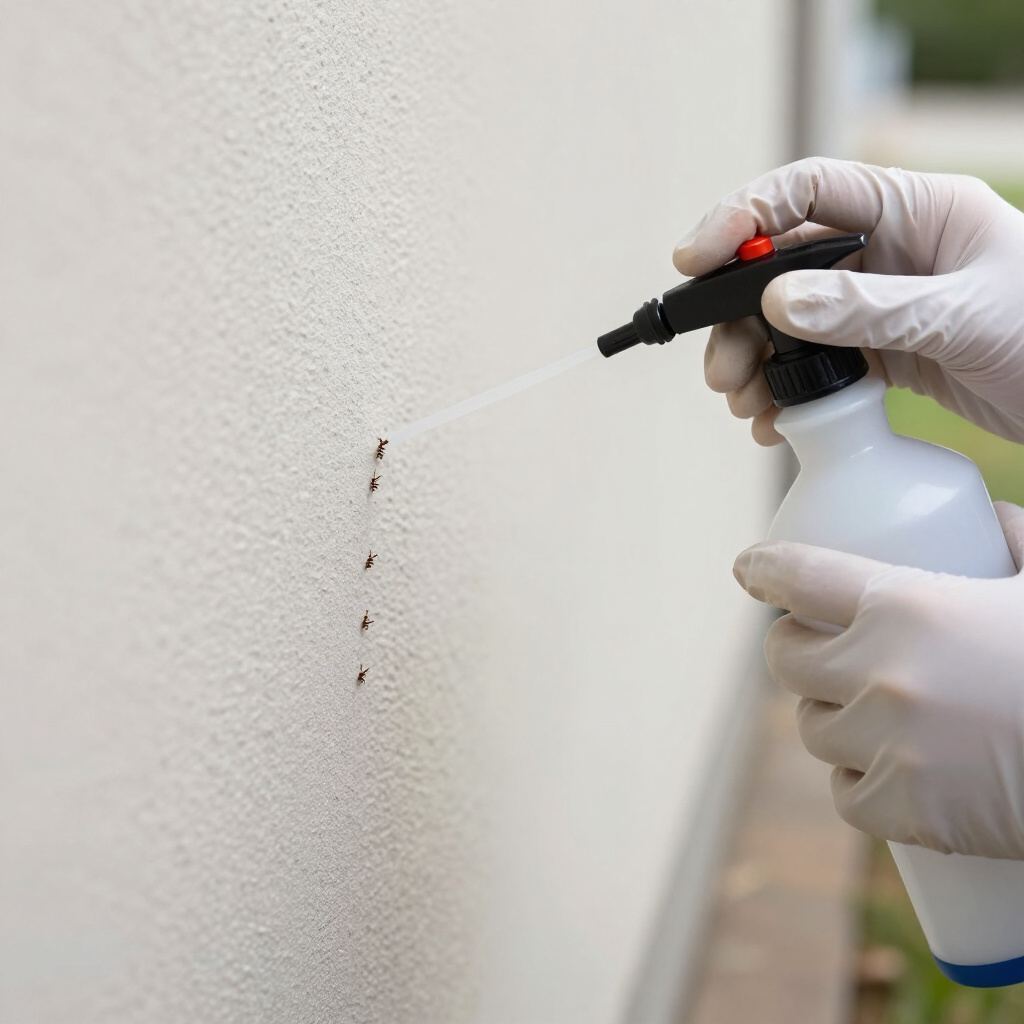
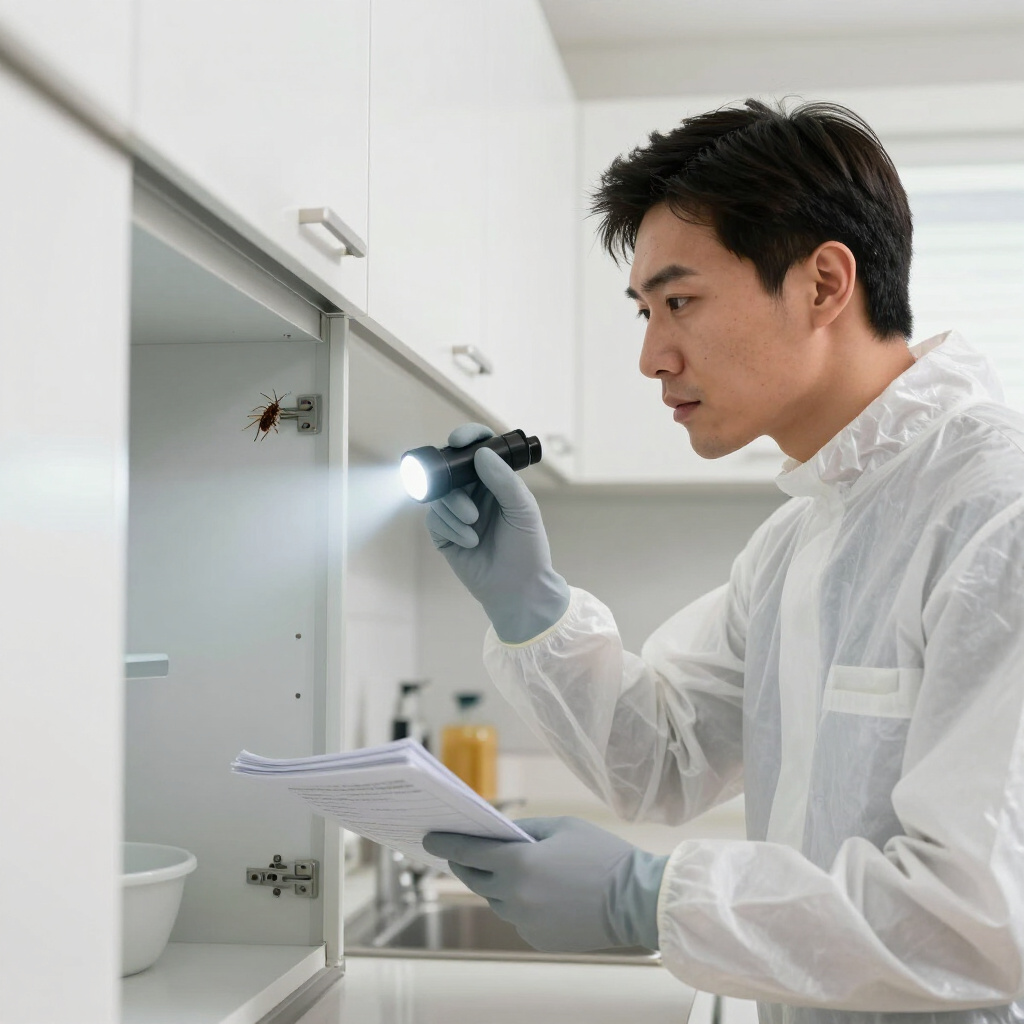
More homeowners than ever are searching for natural pest control methods that actually work—solutions that protect their families, pets, and the environment without sacrificing effectiveness. The good news? You don't need harsh chemicals to keep unwanted visitors out of your home and garden. Drawing from decades of field experience and entomological research, we've identified proven approaches that deliver real results. Whether you're dealing with ants in the kitchen, aphids in your vegetable patch, or mosquitoes ruining your evenings, these strategies combine prevention, biological controls, and targeted treatments to solve problems at their source.
Natural Pest Control Methods That Actually Work in Your Home
The foundation of effective natural pest control starts with understanding pest behavior and removing what attracts them in the first place. Many homeowners jump straight to treatments while overlooking the conditions that invited pests inside.
Seal entry points methodically. Mice can squeeze through openings the width of a pencil, while common household insects exploit even smaller gaps. Inspect your home's exterior quarterly, paying special attention to utility penetrations, window frames, and foundation cracks. Use steel wool for rodent entry points (they won't chew through it) and caulk for smaller insect pathways. Weatherstripping around doors eliminates the drafts that insects follow indoors.
Eliminate moisture and food sources. Most household pests need water more urgently than food. Fix leaky faucets, ensure proper drainage around your foundation, and run dehumidifiers in damp basements or crawl spaces. In the kitchen, store dry goods in airtight glass or metal containers, clean under appliances regularly, and never leave pet food out overnight. These simple habits dramatically reduce pest pressure without any products at all.
Deploy diatomaceous earth strategically. This powdery sedimentary rock damages the waxy exoskeletons of crawling insects like ants, cockroaches, and silverfish, causing fatal dehydration. Apply food-grade diatomaceous earth in thin layers where pests travel—along baseboards, behind appliances, and in cabinet voids. Reapply after cleaning or if it becomes damp, as moisture reduces effectiveness. It's completely non-toxic to mammals but requires consistent reapplication for ongoing control.
Proven Organic Solutions for Garden and Yard Pests
Outdoor natural pest control requires a different toolkit, one that works with your garden's ecology rather than against it. The goal isn't eliminating every insect—beneficial species like ladybugs, lacewings, and parasitic wasps are your allies in controlling pest populations.
Introduce and protect beneficial insects. Ladybug larvae consume up to 400 aphids before reaching adulthood. Lacewings prey on mites, thrips, and caterpillar eggs. To attract and retain these natural predators, plant diverse flowering species like yarrow, dill, fennel, and cosmos that provide nectar and pollen. Avoid broad-spectrum treatments that harm beneficials alongside pests. A garden with thriving predator populations often self-regulates without intervention.
Use insecticidal soaps and horticultural oils precisely. These old standbys work by suffocating soft-bodied pests on contact. Insecticidal soap excels against aphids, whiteflies, and spider mites, while neem oil disrupts feeding and growth in chewing insects and also repels some species. The key is thorough coverage—spray undersides of leaves where pests hide, and apply during cooler hours to prevent leaf burn. These products break down quickly, requiring repeat applications, but they spare pollinators when used correctly.
Implement physical barriers and traps. Row covers exclude flying insects from crops during vulnerable growth stages. Copper tape creates a mild electric charge that deters slugs and snails. Pheromone traps monitor and reduce specific pest populations like codling moths in orchards. Yellow sticky traps catch whiteflies and fungus gnats in greenhouses. These mechanical approaches eliminate risks to non-target organisms entirely.
Practice strategic companion planting. Science supports some traditional pairings: nasturtiums act as trap crops, drawing aphids away from vegetables. Marigolds release compounds that suppress nematodes in soil. Alliums deter numerous pests with their sulfur compounds. While companion planting isn't a silver bullet, integrated thoughtfully with other methods, it strengthens your garden's natural defenses.
Key Tips for Making Natural Methods Succeed
Natural pest control demands more patience and precision than chemical alternatives, but the long-term rewards justify the approach. These principles separate successful implementation from frustration.
Identify before treating. Misidentification leads to wasted effort and unnecessary harm to beneficial species. A "pest" might actually be a harmless insect or even a helpful predator. Snap clear photos and consult extension service resources or local master gardener programs for accurate identification. Targeted treatment based on correct ID always outperforms guesswork.
Start early and monitor consistently. Natural methods work best preventively or at first sign of problems, not during full-blown infestations. Walk your property weekly, checking undersides of leaves, soil surfaces, and potential entry points. Early intervention requires far less effort than crisis management.
Combine multiple tactics. Relying on any single method invites failure. The most effective natural pest control programs layer cultural practices (proper plant selection, sanitation), physical controls (barriers, traps), biological controls (beneficial insects, microbial products), and least-toxic treatments as needed. This integrated approach mirrors professional integrated pest management frameworks.
Accept reasonable thresholds. A few aphids on a robust plant cause no meaningful damage and feed developing ladybugs. Some leaf chewing on mature plants is cosmetic, not catastrophic. Natural pest control isn't about perfection—it's about maintaining healthy, productive spaces without unnecessary intervention. Learning tolerable damage levels reduces stress and unnecessary work.
Know when to call professionals. Certain situations exceed DIY natural methods: extensive termite infestations, bed bugs, aggressive stinging insect nests in high-traffic areas, or rodent populations that resist exclusion efforts. Reputable pest control companies offer targeted, reduced-toxicity options and can resolve problems before they escalate structurally or medically.
Final Thoughts
Natural pest control methods that actually work are available to every homeowner willing to apply knowledge consistently and patiently. The most powerful tool isn't a product—it's understanding what attracts pests, how they behave, and which natural vulnerabilities to exploit. Start with prevention, build biological diversity in your garden, and deploy targeted treatments only when monitoring indicates necessity. Over time, these practices create resilient spaces where pest problems diminish naturally rather than requiring constant battle. The shift from reactive chemical dependence to proactive ecological management transforms not just your pest situation, but your entire relationship with the living world around your home.