

Pests don't take vacations, but they do follow seasonal patterns. Understanding when different pests are most active can save you from costly infestations and the stress of unexpected visitors in your home. This seasonal pest control checklist for homeowners breaks down exactly what to watch for—and what to do about it—throughout the year, so you stay one step ahead of nature's most persistent intruders.
Spring: Awakening and Entry Points
As temperatures rise, dormant pests emerge hungry and ready to reproduce. This is your most critical window for prevention.
Inspect and seal exterior entry points. Walk your home's perimeter and examine foundation cracks, gaps around utility lines, torn window screens, and damaged door sweeps. Mice can squeeze through openings as small as a dime, while insects need even less space. Caulk, steel wool, and weatherstripping are your best friends this season.
Address moisture issues. Spring rains create ideal conditions for termites, carpenter ants, and mosquitoes. Clean gutters, fix leaky outdoor faucets, and ensure downspouts direct water away from your foundation. Check basements and crawl spaces for standing water or excessive humidity.
Trim vegetation and clear debris. Overgrown shrubs touching your home create bridges for ants, spiders, and rodents. Rake mulch away from the foundation by at least six inches, and remove leaf litter where pests overwinter and breed.
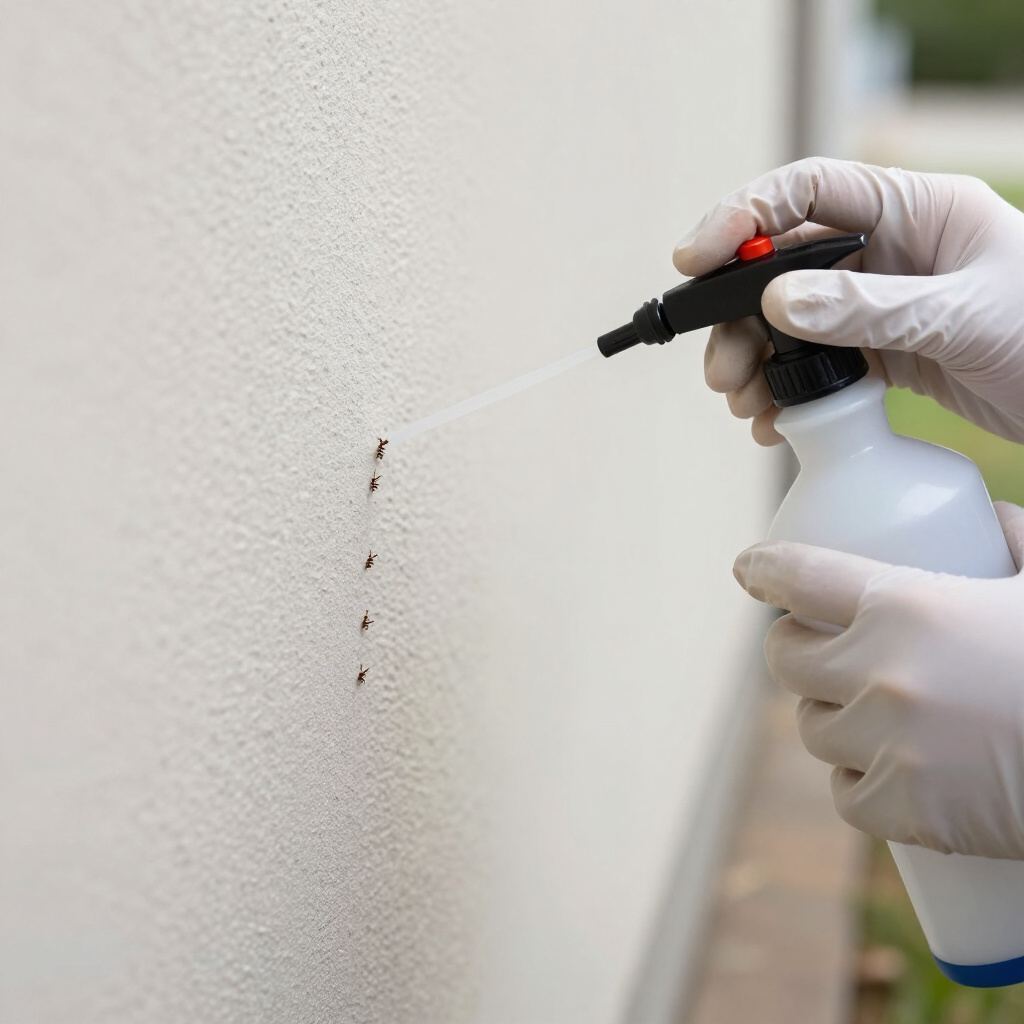
Start outdoor pest management early. Treat for ants before they establish trails. Consider professional perimeter treatments if you've had recurring issues with spiders, wasps, or foundation pests.
Summer: Peak Activity and Outdoor Pressures
Warm weather brings the year's highest pest activity. Your focus shifts to managing populations and preventing outdoor pests from becoming indoor problems.
Defend against mosquitoes. Eliminate standing water weekly—bird baths, pet dishes, clogged gutters, and even bottle caps hold enough water for breeding. Keep lawn grass cut short, and consider treating shrubs and resting areas where adult mosquitoes hide during daylight hours.
Monitor for stinging insects. Wasps, hornets, and yellow jackets build nests in eaves, sheds, and landscape features. Early nest removal is far safer than dealing with mature colonies. Look for paper-like structures under deck railings, in grill covers, and behind shutters.
Protect food indoors and out. Summer barbecues and open windows invite ants, flies, and cockroaches. Store pantry items in sealed containers, clean grills after each use, and don't leave pet food outdoors overnight. Take garbage out frequently and use bins with tight-fitting lids.
Check for travel-related pests. Bed bug activity peaks during summer travel season. Inspect hotel rooms before settling in, and launder travel clothes on hot settings immediately upon returning home.
Fall: The Invasion Season
As temperatures drop, pests actively seek shelter. This is when many homeowners first notice problems that have been developing unnoticed.
Perform thorough exclusion work. Repeat your spring inspection with extra attention to the roofline. Squirrels, raccoons, and bats exploit loose shingles, damaged vents, and uncapped chimneys. Install hardware cloth over attic vents and repair soffit damage promptly.
Protect against overwintering pests. Boxelder bugs, stink bugs, lady beetles, and cluster flies seek wall voids and attics to hibernate. Seal exterior gaps thoroughly, and consider professional treatment of south-facing walls where these pests congregate in warm afternoon sun.
Service heating systems and firewood storage. Mice nest in unused furnace areas and follow ductwork. Store firewood at least twenty feet from your home and five inches off the ground to reduce harborage for wood-boring beetles, termites, and rodents.
Deep clean and declutter. Pests need hiding places and food sources to survive winter indoors. Clean behind appliances, organize storage areas, and eliminate cardboard boxes that silverfish and roaches favor.
Winter: Hidden Threats and Monitoring
Cold weather drives pests deeper into structures. Activity may seem reduced, but problems often intensify out of sight.
Maintain vigilance for rodents. Mice and rats remain active year-round and become more desperate for food and warmth. Listen for scratching in walls and ceilings, especially at night. Check pantries for chewed packaging and droppings. Deploy traps or contact professionals at first signs—populations explode quickly indoors.
Monitor for overwintering pest emergence. Warm spells can rouse stink bugs and lady beetles from wall voids into living spaces. While vacuuming captures visible individuals, persistent indoor appearances indicate larger hidden populations needing professional attention.
Inspect less-frequented areas. Check attics, basements, and crawl spaces monthly for moisture, pest signs, or structural damage. Termites and carpenter ants can remain active in heated wall voids, continuing destruction unseen.
Plan for the coming year. Winter is ideal for scheduling professional inspections and mapping out improvements. Note problem areas from the past season, research pest-resistant landscaping options, and budget for preventive treatments or repairs.
Key Tips for Year-Round Success
Consistency matters more than intensity. A few habits maintained throughout the year outperform occasional heroic efforts.
Document everything. Keep a simple log of pest sightings, weather patterns, and maintenance dates. This reveals trends and helps professionals diagnose recurring issues faster.
Know when to call experts. DIY methods handle minor, early-stage problems effectively. However, extensive infestations, stinging insect nests, termite activity, or any pest compromising health and safety warrant professional intervention. The cost of delayed expert help typically exceeds early professional treatment.
Avoid common mistakes. Ultrasonic repellents show inconsistent results at best. Over-the-counter foggers often drive pests deeper into structures without resolving infestations. Using outdoor pesticides indoors creates health hazards. When in doubt, research thoroughly or consult licensed professionals.
Integrate pest management with home maintenance. The most pest-resistant homes aren't necessarily those with the most treatments—they're the ones with intact exteriors, proper drainage, smart landscaping, and vigilant occupants. Your seasonal pest control checklist works best as part of overall conscientious homeownership.
Final Thoughts
Effective pest management mirrors the rhythm of nature itself. By aligning your efforts with seasonal pest behavior, you transform reactive scrambling into confident, proactive protection. Start with thorough spring preparation, maintain vigilance through summer's peak, seal and exclude aggressively in fall, and monitor carefully through winter's quiet. This seasonal pest control checklist for homeowners provides the framework—your consistent attention fills in the details that keep your home genuinely protected, season after season. The peace of mind that comes from prevention is always worth the modest effort required.