
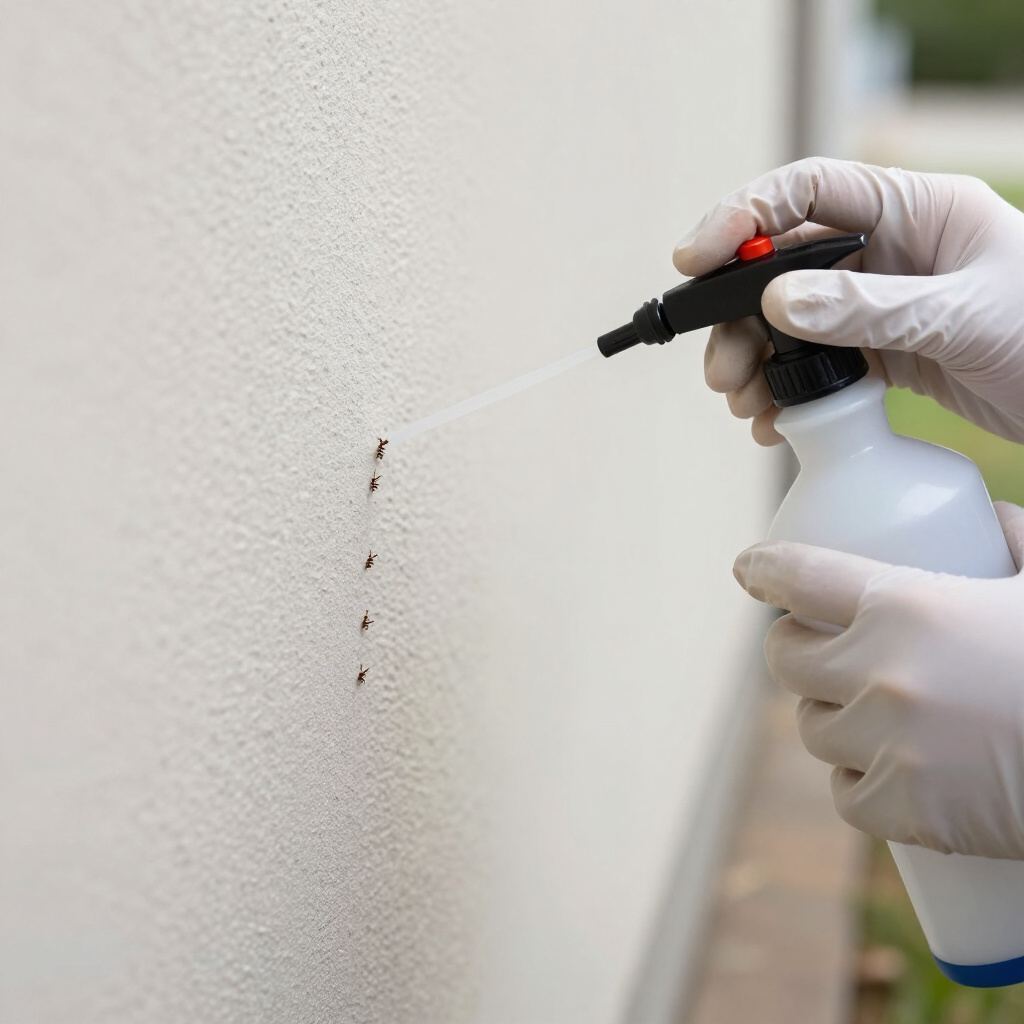

There's nothing quite like that sinking feeling when you hear scratching behind the walls late at night, or when you spot something dart across the kitchen floor out of the corner of your eye. Rodents are masters of stealth, often living in our homes for weeks or even months before we realize they've moved in. By the time you see one, there's a good chance many more are hiding just out of sight. Knowing the early warning signs of a rodent infestation can save you from costly damage, protect your family's health, and help you take swift action before a small problem becomes a major headache.
Signs of a Rodent Infestation: What to Watch For
Recognizing the signs of a rodent infestation early is your best defense against these persistent invaders. Rodents leave behind plenty of evidence if you know where to look. One of the most common indicators is the presence of droppings. Mouse droppings are small, dark, and shaped like rice grains, typically found along baseboards, in cupboards, under sinks, or near food sources. Rat droppings are larger, about the size of a raisin, with blunt ends. Fresh droppings are dark and moist; older ones turn gray and crumbly.
Another telltale sign is gnaw marks. Rodents have teeth that never stop growing, so they must chew constantly to keep them worn down. You might notice bite marks on food packaging, wooden furniture, electrical wiring, PVC pipes, or even concrete edges. Fresh gnaw marks appear lighter in color and become darker with age. If you spot scattered wood shavings or small piles of shredded material, that's a strong indicator of active chewing nearby.
Unusual noises are another giveaway. Scratching, scurrying, squeaking, or rustling sounds—especially at night when rodents are most active—often come from walls, ceilings, attics, or crawl spaces. If your pets suddenly become fixated on a particular wall, cabinet, or corner of the room, they may be hearing or smelling something you can't yet detect.
Pay attention to tracks and runways as well. Rodents tend to follow the same paths repeatedly, leaving behind dirty smudge marks along walls from their oily fur. In dusty areas, you might spot footprints or tail marks. A simple trick is to sprinkle a thin layer of flour or talcum powder along suspicious baseboards overnight—if you find tiny tracks come morning, you've got visitors.
Where Rodents Hide and Build Nests
Understanding where rodents prefer to settle helps you inspect the right areas of your home. Rodents seek warm, secluded spaces close to food and water sources. In attics, they often nest in insulation, tearing it apart to create cozy burrows. Basements and crawl spaces provide dark, undisturbed environments perfect for raising young. Wall voids and the areas behind kitchen appliances offer easy access to crumbs and spills while keeping them hidden from sight.
Outdoors, check for burrow holes around your foundation, under decks, near compost piles, or along garden sheds. Roof rats, true to their name, are excellent climbers and may enter through gaps in rooflines, vents, or chimneys. Inside, look for nests made from shredded paper, fabric, dried plant matter, or insulation. These nests are usually tucked away in quiet corners and can house multiple generations if left undisturbed.
A persistent musty, ammonia-like odor is another sign of an established infestation. Rodent urine has a strong, distinctive smell that intensifies as the population grows. In severe cases, you might even detect the unpleasant odor of a deceased rodent trapped within walls or ventilation systems.
Key Tips for Confirming and Addressing the Problem
If you suspect rodents have invaded your space, taking prompt, methodical action makes all the difference. Start with a thorough inspection during daylight hours, focusing on the areas mentioned above. Use a flashlight to examine dark corners, and don't forget to check rarely used storage areas, garages, and utility rooms.
Seal potential entry points to prevent more rodents from entering. Mice can squeeze through gaps as small as a dime, while rats need only a quarter-sized opening. Inspect for cracks in your foundation, gaps around utility lines, damaged vent screens, and spaces beneath doors. Steel wool and caulk work well for smaller openings; hardware cloth or metal flashing may be needed for larger gaps.
Store food in airtight glass or metal containers, and keep countertops and floors free of crumbs. Take garbage out regularly and use bins with tight-fitting lids. Remove clutter where rodents can nest, and trim tree branches and shrubs that touch your home's exterior, eliminating bridges to your roof.
While traps and baits can help with minor issues, a growing or persistent signs of a rodent infestation warrants professional intervention. Pest control experts can accurately assess the extent of the problem, identify hidden entry points you might miss, and implement targeted solutions that address both the immediate infestation and long-term prevention. They also handle rodent removal safely, minimizing health risks associated with diseases carried in urine, droppings, and saliva.
Final Thoughts
Rodents are resourceful, prolific, and surprisingly destructive once they establish themselves in your home. The good news is that they also leave plenty of evidence for observant homeowners to discover. By staying alert to droppings, gnaw marks, unusual sounds, and nesting materials, you can catch an infestation in its early stages—when it's far easier and less expensive to resolve. If you've noticed multiple signs or suspect rodents have been present for some time, don't wait for the problem to escalate. A quick response protects your property, your health, and your peace of mind. When in doubt, reaching out to a qualified pest control professional ensures the job is done thoroughly and keeps your home truly rodent-free.