
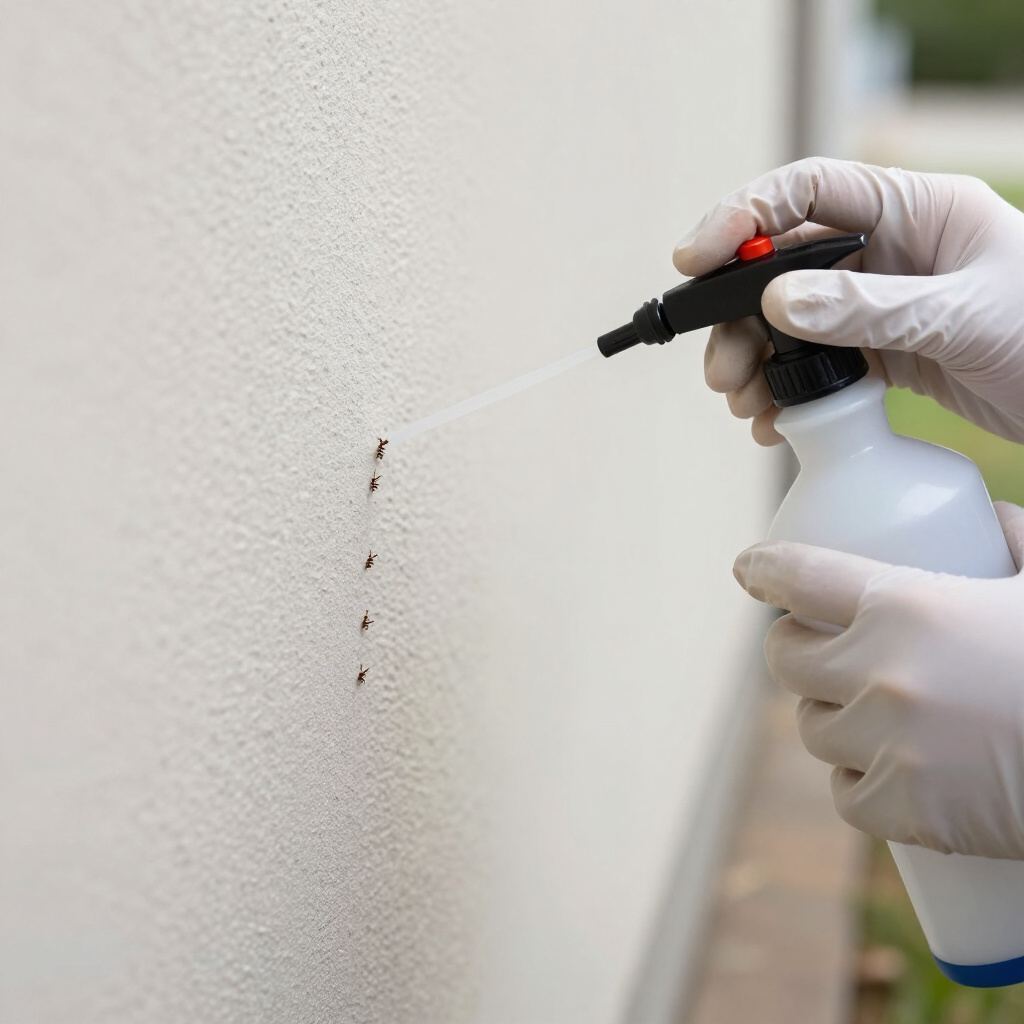

Termites are often called "silent destroyers" for good reason. These tiny insects can chew through wood, flooring, and even wallpaper undetected for months or years, causing thousands of dollars in damage before you ever realize they're there. Unlike other household pests that make their presence obvious, termites work quietly and out of sight. Knowing the early signs you may have termites can save your home from serious structural damage and your wallet from unexpected repair costs.
Common Signs You May Have Termites in Your Home
Recognizing the warning signs of a termite infestation early is your best defense against extensive damage. While termites prefer to stay hidden, they do leave behind evidence of their activity if you know what to look for. Here are the most common indicators that termites may have taken up residence in your home.
Mud tubes on exterior walls are one of the most telltale signs of subterranean termites. These pencil-width tunnels made of soil, wood particles, and saliva protect termites as they travel between their underground colony and their food source. Check your foundation, crawl spaces, and exterior walls, especially near the ground. Breaking open a mud tube and finding live, pale-colored insects inside confirms active termites.
Hollow-sounding wood indicates that termites have been feasting inside your walls, floors, or structural beams. Tap on wooden surfaces with the handle of a screwdriver. Solid wood produces a dull thud, while damaged wood sounds hollow or papery. You may also notice that wood appears blistered or darkened, or that laminate flooring bubbles up from moisture the termites bring in.
Discarded wings near windowsills and doors signal that reproductive termites, called swarmers, have emerged from a mature colony nearby. These winged termites fly out to establish new colonies, typically during spring after rainfall. They shed their wings once they land, leaving behind small piles of translucent, equal-length wings that resemble fish scales.
Frass, or termite droppings, looks like tiny wood-colored pellets or sawdust and often accumulates beneath infested wood. Drywood termites push their excrement out of small kick-out holes in the wood they're consuming, creating noticeable piles. Unlike sawdust from construction, frass has a granular, almost sand-like consistency.
Subtle Warning Signs Homeowners Often Miss
Beyond the obvious indicators, several less noticeable signs you may have termites deserve your attention. These subtle clues frequently go overlooked until damage becomes severe.
Tight-fitting doors and windows that suddenly become difficult to open may seem like a humidity issue, but termite damage is often the true culprit. As termites consume wood and introduce moisture into door and window frames, the wood warps and changes shape. Before you sand down that sticking frame, inspect it closely for other signs of termite activity.
Quiet clicking sounds from walls can actually be soldier termites banging their heads against wood or shaking their bodies to warn the colony of danger. This faint rustling or clicking becomes more audible at night when your home is quiet. Place your ear against suspected walls and listen carefully.
Unexplained paint damage such as peeling, bubbling, or discoloration that resembles water damage may indicate termites behind the surface. Termites bring moisture into dry wood as they tunnel, causing paint to deteriorate in patterns that mimic minor leaks. If you cannot trace the moisture to a plumbing source, termites may be responsible.
Sagging floors and ceilings develop when termites compromise load-bearing structural elements. Floorboards may feel springy or spongy underfoot. Ceiling drywall might show cracks or bowing. These symptoms indicate advanced infestation requiring immediate professional evaluation, as structural failure becomes a genuine safety concern.
Where to Inspect for Termite Activity
Conducting regular inspections in key areas around your property helps you catch infestations in their earliest stages. Focus your attention on these vulnerable zones.
Start with your foundation and crawl space, as subterranean termites enter from soil level. Look for mud tubes, soil buildup against siding, and wood-to-ground contact that provides easy access. Keep mulch, firewood, and landscaping materials at least six inches away from your foundation, ideally more.
Examine basements and utility rooms where moisture accumulates. Termites need water to survive, so leaky pipes, poor drainage, and damp concrete create ideal conditions. Check where pipes penetrate walls and floors, as these entry points often go unsealed.
Inspect attics and roof structures for drywood termite damage, particularly in warmer climates. These termites need no soil contact and can infest exposed roof timbers, fascia boards, and wooden shingles. Look for small holes in wood surfaces and accumulated frass in corners.
Finally, assess decks, fences, and outbuildings made of untreated wood. These structures often serve as launching points for infestations that eventually reach your main home. Any wood that contacts soil directly becomes especially susceptible.
What to Do If You Suspect Termites
Discovering signs you may have termites requires prompt, decisive action. Termite colonies grow continuously, and delays only allow more damage to accumulate.
Resist the urge to treat the problem yourself with over-the-counter sprays or hardware store solutions. These products rarely reach the colony itself, which may extend deep underground or throughout multiple hidden locations within your walls. Surface treatments typically kill only the few workers you can see while the queen continues producing thousands of replacements daily.
Instead, contact a licensed pest control professional for thorough inspection and treatment. Professionals have access to specialized equipment including moisture meters, infrared cameras, and acoustic detection devices that reveal hidden activity. They can distinguish between termites and similar-looking pests like carpenter ants, ensuring appropriate treatment.
During your professional inspection, ask questions about treatment options. Modern termite control includes liquid soil barriers, baiting systems, and localized wood treatments. The best approach depends on your termite species, infestation extent, and home construction. Request a detailed diagram showing where technicians found activity and what treatment they recommend for each area.
After treatment, establish an ongoing monitoring program. Annual professional inspections catch new activity before it escalates. Many companies offer renewable warranties that include periodic checks and retreatment if termites return, providing valuable peace of mind.
Final Thoughts
Termites cause more property damage annually than fires, storms, and floods combined, yet standard homeowners insurance almost never covers their destruction. This reality makes vigilance essential for every property owner. By learning the signs you may have termites and inspecting your home regularly, you position yourself to catch infestations when treatment is most effective and damage minimal.
Remember that termite presence indicates conducive conditions around your property, not poor housekeeping. These insects find their way into well-maintained homes every day. What matters is how quickly you recognize their intrusion and respond. Partner with a trusted pest control professional, address moisture issues promptly, and maintain clear space between soil and wooden structures. Your proactive attention today prevents the crushing discovery of termite damage tomorrow.