

How to Choose a Pest Control Professional in Bangor
Selecting the right pest control provider in Bangor means understanding what makes Hancock County services distinctive. The region's cold winters and humid summers create unique pest pressures that demand local expertise.
When evaluating companies, prioritize Maine-licensed applicators who carry proper liability insurance. Ask specifically about their experience with termite control—eastern subterranean termites remain active in our area despite the climate. Verify whether technicians undergo continuing education on integrated pest management (IPM) techniques, which reduce unnecessary chemical applications.
Request references from recent Bangor residential or commercial jobs. A reputable provider should willingly share treatment timelines, warranty terms, and what follow-up visits include. Be cautious of quotes that seem unusually low; comprehensive pest management requires proper inspection time, quality products, and skilled labor.
Consider companies offering seasonal maintenance programs. Bangor's dramatic temperature swings mean pest activity fluctuates significantly—spring ant invasions, summer wasp nest building, fall rodent shelter-seeking, and winter indoor pest persistence each require different approaches.
What to Expect from Pest Control Services in Bangor
Professional pest control follows a structured process designed for lasting results. Understanding this helps you prepare and evaluate service quality.
Initial Inspection
A thorough technician examines your property's interior, exterior perimeter, basement, crawl spaces, and attic. In Bangor's older homes—common in neighborhoods near the Kenduskeag Stream—this includes identifying entry points around stone foundations, gaps in vintage woodwork, and moisture issues that attract pests.
Treatment Plan Development
Based on findings, you'll receive a documented strategy targeting identified pests while minimizing environmental impact. This should specify products used, application methods, safety precautions for children and pets, and expected outcomes with realistic timelines.
Implementation and Monitoring
Initial treatment addresses active infestations. Subsequent visits monitor effectiveness, adjust strategies, and implement preventive measures. For rodent control, this typically includes sealing entry points and strategically placing monitoring devices.
Available Pest Control Services
Bangor residents and businesses can access comprehensive pest management solutions tailored to local conditions:
- Termite control and prevention – Inspections, liquid barrier treatments, and baiting systems
- Rodent exclusion and control – Mice, rat removal with structural sealing
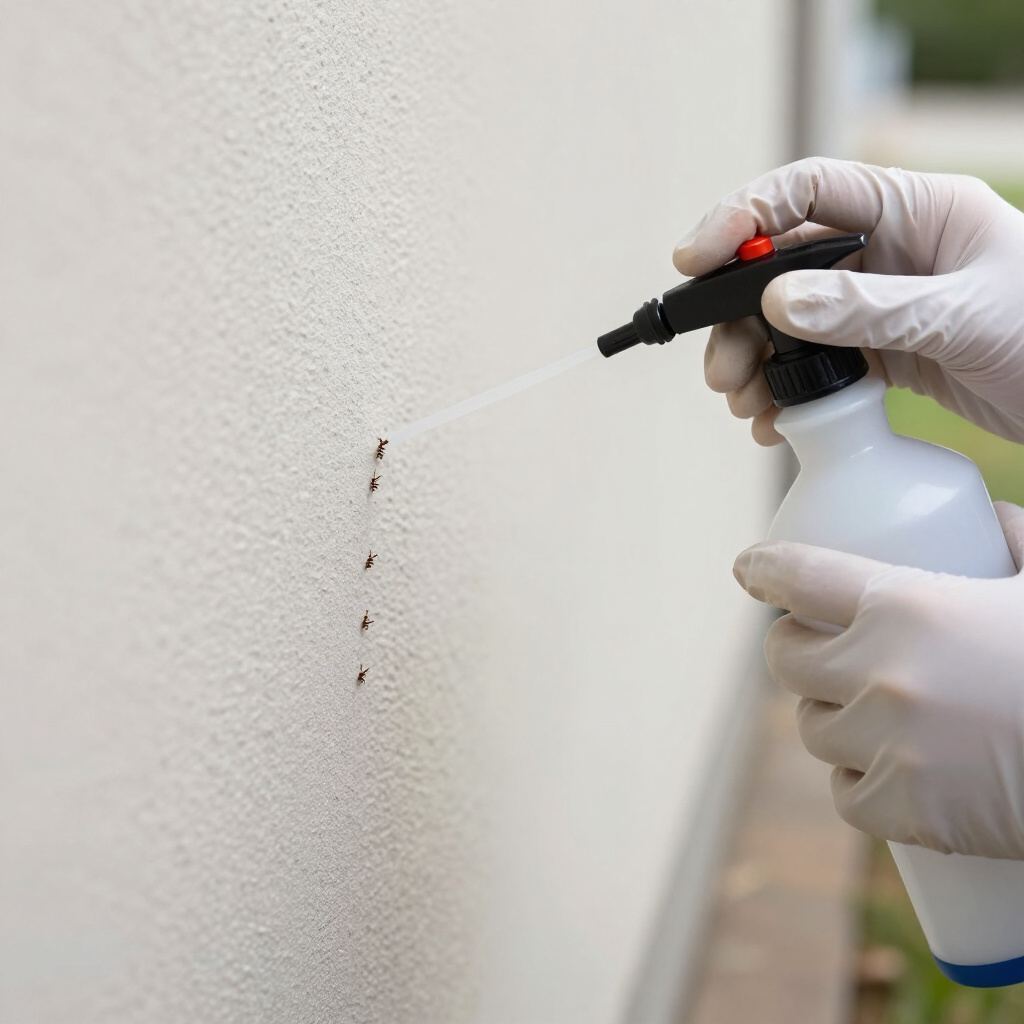
- Ant management – Carpenter ants, pavement ants, and odorous house ants
- Bed bug elimination – Heat treatment and conventional options
- Stinging insect control – Hornet, wasp, and yellow jacket nest removal
- Spider management – Reduction programs for problematic species
- Mosquito and tick reduction – Seasonal yard treatments
- Wildlife removal – Bats, squirrels, raccoons, and other nuisance animals
- Commercial pest management – Restaurants, healthcare, retail, and industrial facilities
Many providers also offer pre-purchase pest inspections for homebuyers in Bangor's competitive real estate market, plus specialized services for historic properties requiring careful treatment approaches.
Frequently Asked Questions
How quickly can I get pest control service in Bangor?
Most local providers offer appointments within 24-48 hours for standard issues. Emergency situations—such as aggressive wasp nests or severe rodent infestations—often qualify for same-day response.
Are pest control treatments safe around children and pets?
Licensed applicators use EPA-registered products applied according to label directions. Reputable companies discuss re-entry times, product selection, and precautionary measures before treatment. Many offer reduced-risk and botanical options upon request.
Why do I need ongoing pest service if my current problem is solved?
Bangor's climate and geography create continuous pest pressure. Seasonal maintenance establishes protective barriers, catches new activity early, and addresses changing pest patterns throughout the year—ultimately saving money compared to treating repeated infestations.